
Curtis Teets · 30-year Columbus restoration veteran.
What Does Mold Look Like? Real Photos from Columbus Homes
Identifying mold starts with knowing what to look for. We’ve photographed mold across thousands of Columbus inspections — black colonies on basement walls, white fuzzy growth in crawl spaces, green mold in HVAC systems. This guide shows you exactly what each type looks like so you know when to call a professional.

Columbus mold identification experts. Serving Clintonville, Upper Arlington, Westerville, Dublin, Worthington, Hilliard, and all of Franklin County for 30 years. Call 614-810-0000 — same-day inspections available.
How to Spot Mold in Your Columbus Home
Mold grows wherever moisture lingers. In Columbus, our clay soil holds water against foundations, summer humidity climbs into the 70s, and most homes have basements prone to seepage. You don’t need professional equipment to spot mold — your eyes, nose, and basic knowledge are enough to catch it early.
Three visual signs should alert you. First, discoloration: black, white, green, or orange patches on drywall, wood, or concrete that weren’t there before. Second, texture: fuzzy, slimy, or powdery growth sitting on surfaces (not flat staining). Third, smell: a musty, earthy odor without a visible source often points to hidden mold behind walls or in HVAC systems.
Columbus homes have specific vulnerability patterns. Clintonville’s 1920s–1940s homes develop mold along basement walls where original waterproofing has failed. Upper Arlington’s 1950s–1970s homes see it in bathrooms where grout cracks behind tile. German Village’s historic structures get it in crawl spaces beneath cracked foundations. Knowing your home’s era helps you know where to look.
Don’t wait for visible growth to act. If you notice musty odors after rain, condensation on basement walls, or respiratory symptoms indoors, mold may be present. After water events, mold can develop within 48 hours — see our water damage mold guide.
Call us at 614-810-0000 for a same-day free inspection. We’ll identify the source and moisture problem, then walk you through next steps.
What Does Black Mold Look Like?
Black mold is dark green to black, often slimy or wet-looking. The most concerning species is Stachybotrys chartarum — a toxic mold that produces mycotoxins. It grows on water-damaged drywall, ceiling tiles, and wood that has stayed wet for days. Unlike light surface staining, black mold penetrates materials and has a distinctive wet, slimy texture.


Black mold in Columbus appears in predictable places. Clintonville’s 1920s–1940s homes show it on basement walls and under rim joists where original waterproofing has deteriorated. Upper Arlington’s 1950s–1970s homes develop it behind showers where grout fails and behind dishwashers with slow leaks. Older German Village rowhouses see it in crawl spaces beneath cracked stone foundations.
Health risks are documented by the CDC. Black mold produces mycotoxins — the toxic chemicals mold releases as it grows. According to the CDC, mold exposure can cause stuffy nose, sore throat, coughing or wheezing, burning eyes, and skin rash. People with asthma or mold allergies may have severe reactions, and those with compromised immune systems or chronic lung disease can develop lung infections. If you suspect black mold, don’t disturb it. Call 614-810-0000 for safe assessment and remediation.
Learn more about safe removal. For detailed remediation steps and cost information, visit our black mold removal page.
What Does White Mold Look Like?
White mold is fuzzy, powdery, or thread-like. Common species include Aspergillus and Penicillium. Unlike black mold’s slimy texture, white mold often resembles fine cotton, chalk dust, or spider webbing. It grows on wood joists, concrete floors, and fiberglass insulation in crawl spaces and basements throughout Columbus.
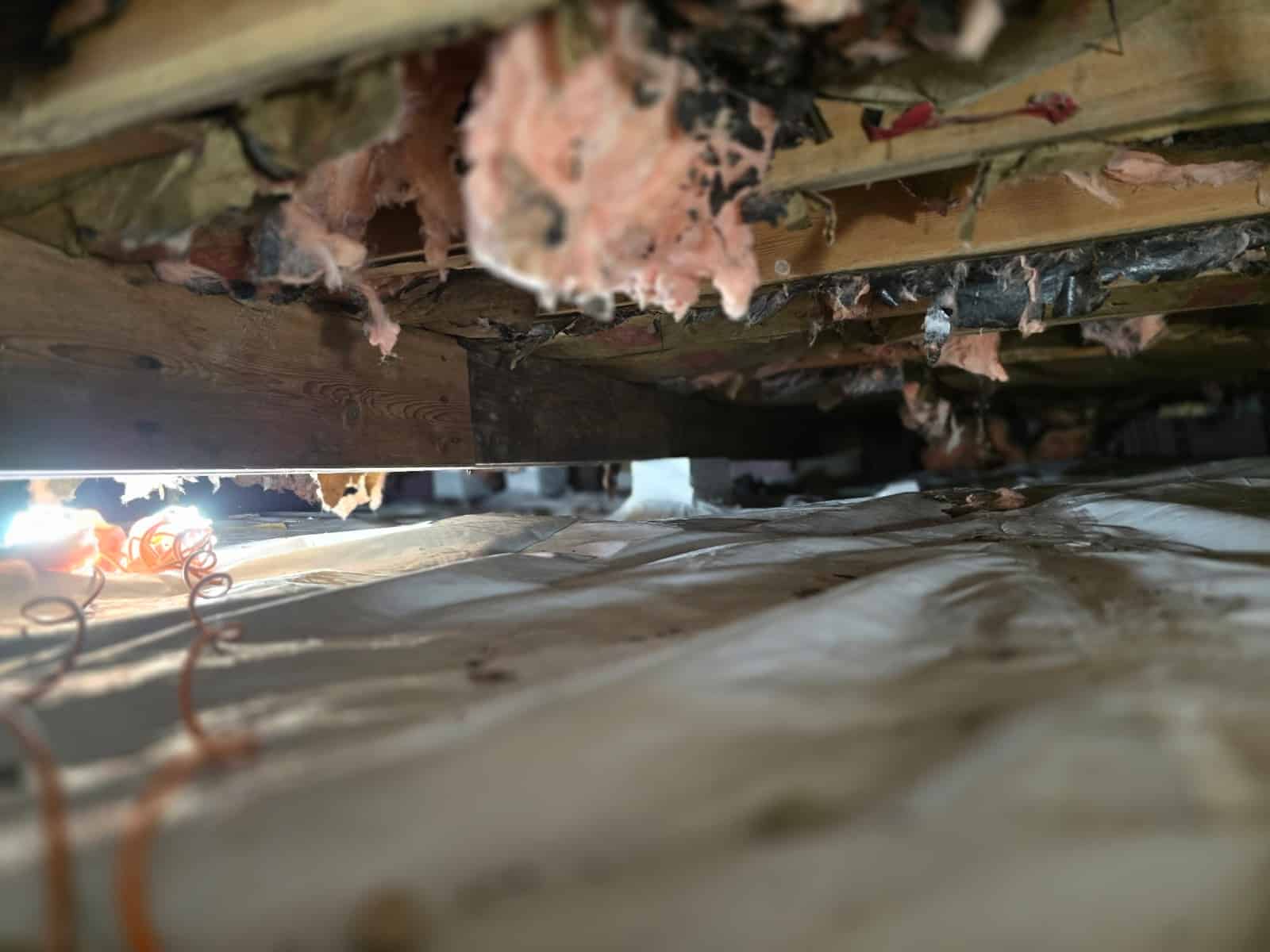
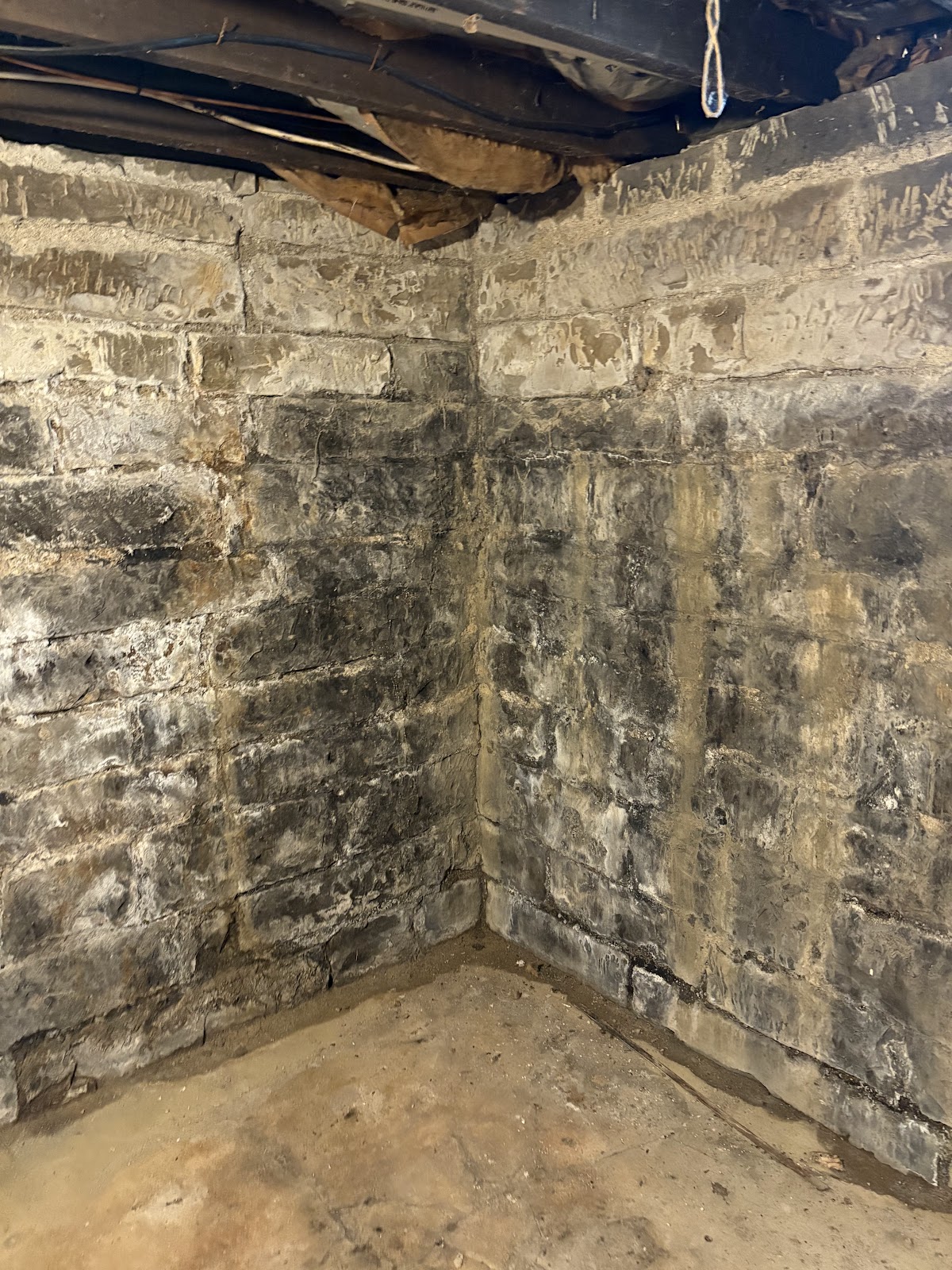
Homeowners confuse white mold with efflorescence. Efflorescence is a salt deposit that forms when water evaporates from concrete — it’s crystalline, odorless, and dissolves in vinegar. White mold is fuzzy, smells musty, and doesn’t dissolve. When you’re not sure which one you’re looking at, that’s exactly when to call.
Crawl spaces across Westerville and Dublin are hot spots. Homes built in the 1980s–2000s often have deteriorated or missing vapor barriers. Ground moisture wicks into wood support structures, and white mold colonies spread across joists and subfloor sheathing. Visit our crawl space mold remediation page for solutions.
What Does Green Mold Look Like?
Green mold ranges from olive to bright lime-green. Species like Aspergillus, Penicillium, and Cladosporium produce green colonies. You’ve seen green mold on bread or fruit — in your home, it grows on walls, HVAC components, window frames, and decaying organic material. It’s less aggressive than black mold but still requires professional attention.


Green mold in Columbus HVAC systems is a persistent problem. Summer humidity and constant air recirculation create ideal conditions inside ductwork. You may smell it before you see it — a musty odor from your vents. Gahanna, New Albany, and Bexley homes with older ducting and original air handlers are particularly vulnerable.
HVAC mold affects your entire house. Unlike mold on a wall that stays localized, mold in your air handler or ductwork pushes spores into every room every time the system runs. This is why unexplained respiratory symptoms often trace back to HVAC mold. Our HVAC mold removal page explains the full remediation process.
What Does Mold on Wood Look Like?
Mold on wood appears as fuzzy patches, dark staining, or surface discoloration. It can be white, green, black, or orange depending on species and moisture level. On structural wood like floor joists, attic sheathing, and framing, mold penetrates the grain and causes the wood to soften over time — a structural concern, not just a cosmetic one.


Columbus attic mold is driven by winter condensation. Warm, humid air from your living space rises into the attic through gaps around light fixtures, bathroom fans, and attic hatches. When that warm air meets the cold roof deck, condensation forms — and mold follows. Pre-1970s homes with original insulation and limited ventilation are most affected.
Structural wood mold needs professional treatment. Surface cleaning alone won’t stop mold that has penetrated wood grain. iDry uses HEPA vacuuming — high-efficiency air filtration that captures particles down to 0.3 microns — followed by antimicrobial treatment and moisture source correction. Visit our attic mold remediation page for the full process.
Mold by Room — Where Columbus Homes Grow It
Every room in a Columbus home has its own mold risk profile. Clay soil, seasonal humidity swings, and construction era all play a role. Here’s what mold looks like in the four most common locations we inspect.
Dark patches on concrete block walls, white fuzzy growth along the base of drywall, and black mold behind stored items. Columbus clay soil pushes water against foundations year-round. Clintonville and Bexley basements from the 1920s–1940s are our most common calls. Basement mold remediation details →
Dark staining on roof sheathing, gray-black discoloration on rafters, and visible growth along the ridge where condensation collects. Worthington and Upper Arlington homes from the 1950s–1970s with original insulation and poor soffit ventilation see this most. Attic mold remediation details →
White thread-like mold on floor joists, green colonies on insulation, and dark staining on wood supports. Ground moisture with no vapor barrier is the primary cause. Westerville, Dublin, and Reynoldsburg homes from the 1980s–1990s are particularly vulnerable. Crawl space mold remediation details →
Black spots on grout lines, dark growth behind toilets and under sinks, and hidden mold behind shower surrounds. Daily moisture from showers creates ideal conditions. Most Columbus homes of any era develop bathroom mold when ventilation is inadequate or exhaust fans vent into the attic instead of outside.
Mold vs. Mildew — How to Tell the Difference
Mildew and mold look similar but behave differently. Mildew sits on surfaces as a flat, gray or white powdery film — it wipes off with household cleaner. Mold penetrates materials, appears fuzzy or slimy in texture, and comes in black, green, white, or orange. Mold smells musty and earthy; mildew has a sharper, more acidic smell.
The wipe test is your first clue. If the discoloration wipes away easily with a damp cloth and doesn’t return within a week, it’s likely mildew. If it resists cleaning, returns after removal, or appears three-dimensional (raised, fuzzy, or textured), you’re likely dealing with mold that has penetrated the surface material.
In Columbus homes, both thrive for the same reason: moisture. But they require different responses. Mildew is a surface problem you can often handle yourself. Mold — especially when it covers more than about 10 square feet per EPA guidelines or appears behind walls — needs professional assessment. Our mold vs. mildew guide breaks down every difference with photos and examples.
When to Call a Mold Professional in Columbus
Not every mold situation requires a professional. Small patches of mildew on bathroom tile or window frames can be cleaned with household products — our mold prevention tips cover what you can handle yourself. But certain situations demand professional inspection and remediation — attempting them yourself can spread spores and make the problem worse.
Call a professional when you see any of these. Mold covering an area larger than about 10 square feet (roughly 3 feet by 3 feet) — the EPA's threshold for professional remediation. Mold behind walls, under floors, or in HVAC ductwork. Mold that returns after you’ve cleaned it. A musty smell without a visible source. Family members developing respiratory symptoms, persistent cough, or allergy-like reactions indoors.
Columbus landlords have specific obligations. Under Ohio law, landlords must maintain habitable conditions, which includes addressing mold caused by structural moisture problems. Tenants should document visible mold with photos and submit written maintenance requests. Learn more on our Ohio mold laws page.
iDry Columbus offers free same-day mold inspections. We use thermal imaging cameras to detect moisture patterns behind walls, identify the mold type and moisture source, and give you a clear scope of work before any remediation begins. For cost expectations, see our mold remediation cost breakdown.
No pressure, no obligation. Visit our mold inspection page for details, or call 614-810-0000 right now.
Related Mold Resources
Mold identification is the first step. These resources cover what comes next — removal, prevention, and cost. Call 614-810-0000 if you need help now.
-
Mold
Identified Black Mold? Here’s What Happens Next
If the photos in this guide match what you’re seeing, our black mold removal page covers the full remediation process, cost, and timeline for Columbus homes.
-
Mold
Full Mold Remediation — From Testing to Clearance
Our mold remediation page covers every step of professional mold removal in Columbus — inspection, containment, remediation, and post-clearance testing.
-
Mold
Basement Mold Is Columbus’s Most Common Problem
Clay soil, old foundations, and seasonal moisture make basement mold the top call we get. Our basement mold remediation page covers causes, costs, and the remediation process.


Mold Identification — Frequently Asked Questions
Real questions from Columbus homeowners about identifying mold. Answered directly.
What does black mold look like on walls?
Black mold appears as dark green-to-black slimy or wet-looking patches on drywall and painted surfaces. It often follows water stain patterns and has an irregular spreading edge. In Columbus basements, especially in Clintonville and German Village, it develops where moisture seeps through foundation walls. Call iDry Columbus at 614-810-0000 for a free inspection.
What does mold look like on wood?
Mold on wood shows as fuzzy white, green, or black patches that sit on the surface or penetrate the grain. On floor joists and attic sheathing, it often appears as dark staining with visible fuzzy growth at the edges. Columbus homes with unvented attics or crawl spaces are most vulnerable. See our attic mold remediation page for details.
How can I tell if it's mold or mildew in my house?
Mildew sits on surfaces as flat, gray or white powdery patches and wipes off easily. Mold penetrates materials, appears fuzzy or slimy, and comes in black, green, white, or orange. Mold smells musty; mildew smells sharp. If cleaning doesn't remove it, it's likely mold. Read our full mold vs. mildew guide for a detailed comparison.
What does mold smell like in a house?
Mold produces a musty, earthy odor often compared to wet cardboard or damp soil. In Columbus homes, the smell intensifies after rain or during humid summer months. If you notice this smell in your basement, crawl space, or near HVAC vents without a visible source, mold may be growing behind walls or in ductwork. Call 614-810-0000 for same-day assessment.
Can mold be hidden behind walls in Columbus homes?
Yes. Hidden mold is common in Columbus homes, especially behind drywall near plumbing, in wall cavities after water leaks, and behind shower surrounds. You may smell musty odors or see paint bubbling without seeing mold itself. Thermal imaging cameras detect moisture patterns that reveal hidden colonies. iDry Columbus uses thermal cameras on every inspection. Call 614-810-0000.
What does mold look like in a basement?
Basement mold in Columbus typically appears as dark patches on concrete block walls, white fuzzy growth on wood framing near the floor, or black colonies along the base of drywall. Columbus clay soil holds water against foundations, pushing moisture through walls and floor cracks. Our basement mold remediation page covers the full process.
Is all black-colored mold dangerous?
Not all dark-colored mold is Stachybotrys chartarum, the species most people call toxic black mold. Many common molds appear dark. However, the CDC recommends treating all visible mold the same way: don't disturb it, and have it professionally assessed. Color alone doesn't determine danger. Call iDry Columbus at 614-810-0000 for identification and safe removal.
What does mold look like on a ceiling?
Ceiling mold usually appears as circular dark spots or spreading stains, often following water damage from roof leaks, condensation, or plumbing above. In Columbus homes, attic condensation during winter temperature swings causes ceiling mold in upper-floor bedrooms. The spots grow outward from the moisture source. Visit our attic mold page for solutions.
How fast does mold grow after water damage in Columbus?
Mold can begin colonizing within 24 to 48 hours after water exposure in Columbus homes. Our summer humidity accelerates growth. Drywall, carpet backing, and wood framing provide ideal food sources. After any water event, speed determines whether you need simple drying or full mold remediation. Call 614-810-0000 immediately.
Should I test for mold or just call a professional?
If you can see or smell mold, testing is usually unnecessary — the EPA recommends treating visible mold the same regardless of species. Testing makes sense when you suspect hidden mold or need documentation for insurance claims or real estate transactions. See our mold testing page for when testing adds value. Call 614-810-0000 to schedule yours.
Get Your Free Mold Inspection
Describe what you’re seeing and we’ll call you back within minutes. For immediate help, call 614-810-0000 now — we inspect the same day.
Mold Identification Service Area — All of Franklin County
iDry Columbus inspects homes across all of Franklin County and surrounding areas. Same-day inspections available within the Columbus metro. 30 years of mold identification across every Columbus neighborhood — we know the construction eras, the moisture patterns, and the mold types specific to each area.